
Roll-to-Roll Processing: Not Just for Manufacturing
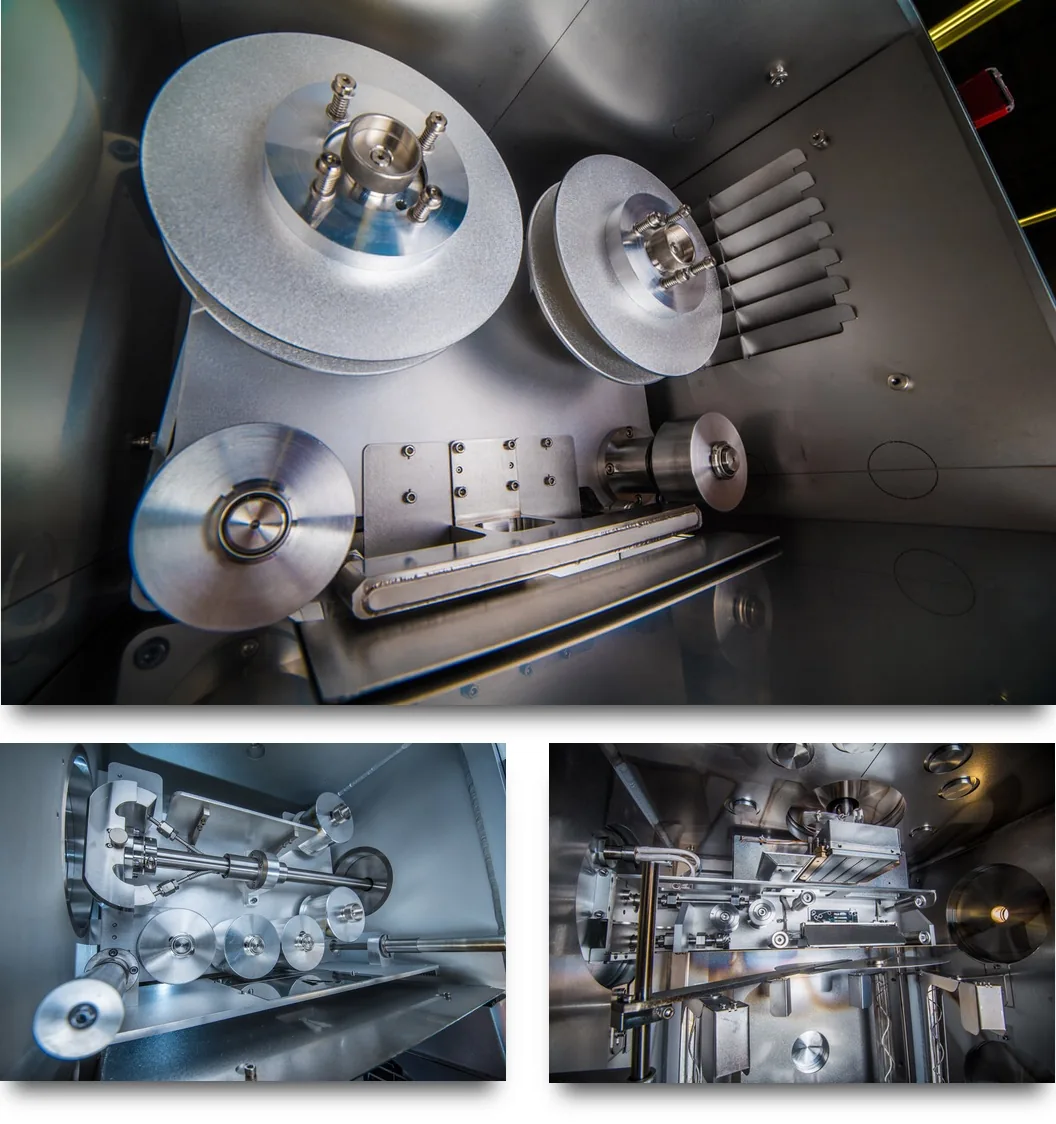
Why roll-to-roll coating can inform thin-film process development before production scale.
Roll-to-roll processing is central to scaling thin-film deposition onto flexible webs, or onto rigid substrates carried by a web. The original feature was dated January 18, 2017 and is retained here because the development lesson remains relevant.
A moving web can bring higher-volume coating into a compact footprint, but it changes residence time, thermal history, fixturing, tension and the relationship between source geometry and film uniformity. These are process variables, not merely production details.
Its value is therefore not limited to manufacturing. Core aspects of a deposition process may need to be optimized for moving-web coating during early development, because adapting a mature static process later can introduce difficult challenges.
Integrating a research-scale roll-to-roll fixture lets teams study winding, masking, cooling, source utilization and repeatability before committing to production equipment. It also reveals whether a material stack tolerates the motion and exposure sequence required by continuous processing.
The right point to introduce roll-to-roll depends on the product roadmap. Early material discovery may still use static substrates, while a project with a clearly flexible final format benefits from considering moving-web constraints before the process is locked.